Skip to content
Free every Sunday: Get the weekly meal plan & shopping list →
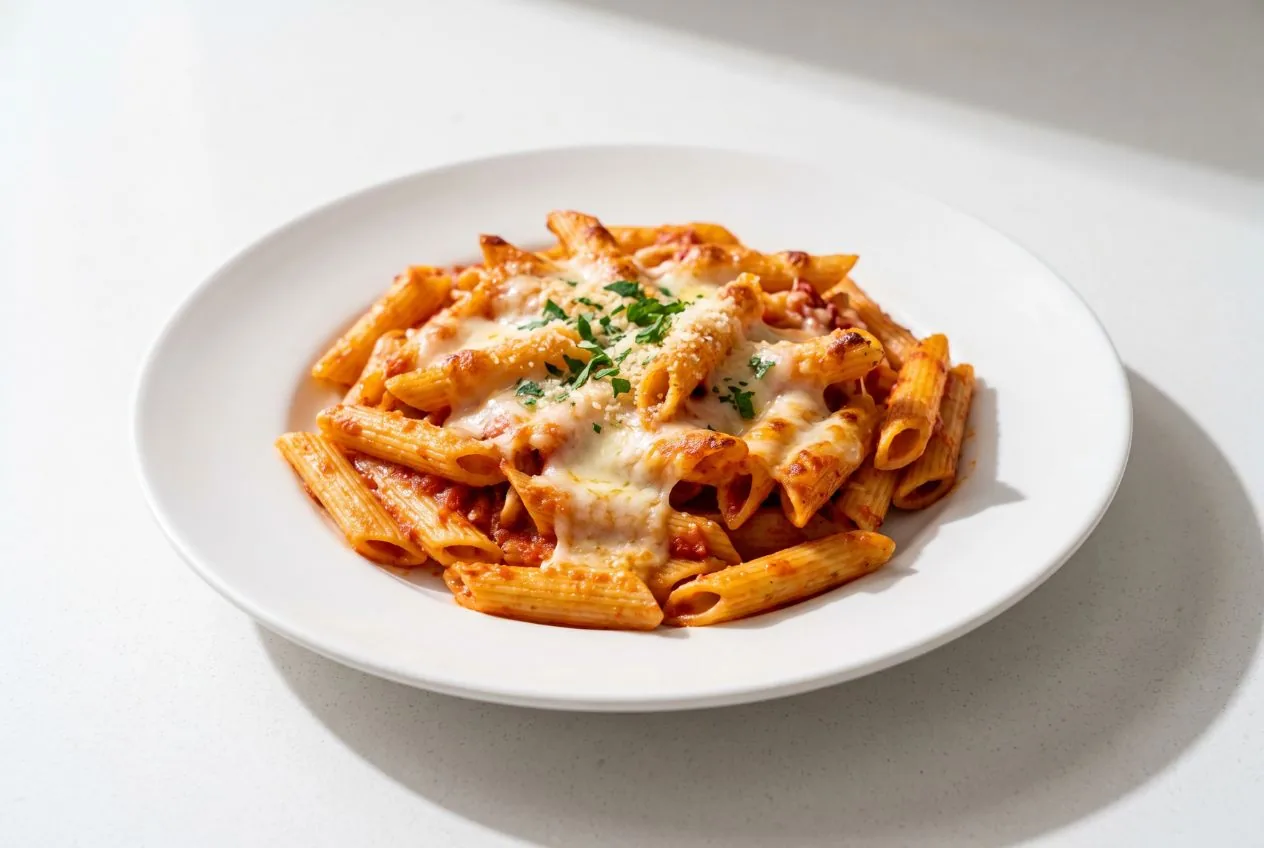
One-pot tomato pasta in a pot with a wooden spoon lifting a twirl
Pasta · One-Pot Pasta

Easy One-Pot Pasta

The clever part of one-pot pasta is that the water you would normally tip down the drain becomes the sauce instead. Everything, the noodles, the tomatoes, the garlic, the liquid, goes into a single pot, and as the pasta cooks it releases starch that thickens everything into a glossy sauce that clings. There is no colander to wash and no flavor poured away. Four servings cost about seventy-six cents a plate, and start to finish it is one pot and about twenty-five minutes.

$0.76per plate
Estimated recipe total
$3.04 · serves 4
Prep
5 min
Cook
20 min
Total
25 min
Serves
4

1 How to make it

1

Layer it all in one pot

Put the pasta, tomatoes, onion, garlic, broth, oil, and herbs in a wide pot. Spreading the pasta out and adding just enough liquid to cover it is what lets it cook evenly without a separate boil.

2

Bring to a boil and stir

Bring everything to a boil, then keep it at a lively simmer, tossing often with tongs so the pasta cooks evenly and does not clump. Frequent tossing is the key to one-pot pasta.

3

Cook until the sauce thickens

In about 10 to 12 minutes the pasta turns tender and the liquid reduces to a clingy sauce. If it dries out before the pasta is done, add a splash more broth.

4

Finish with cheese

Off the heat, stir in the parmesan and a drizzle of olive oil so the sauce turns silky. Taste for salt and serve straight from the pot.

2 Cheaper ingredient swaps

  • Any pasta shape. Short shapes like penne work well too; adjust the liquid so it just covers, and check the timing on the box.
  • Fresh tomatoes. A couple of chopped ripe tomatoes stand in for the can when they are cheap and in season.
  • Add greens or protein. Stir in spinach at the end, or a can of tuna or white beans, to make it a fuller meal for a little more.
  • Skip the cheese. Leave off the parmesan for a vegan pot; a final drizzle of good olive oil keeps it rich.

3 Budget tips

  • Cooking the pasta in the sauce means the starchy water thickens the dish instead of being drained away, so you get more flavor for free.
  • One pot means one thing to wash and less energy than boiling a big pot separately.
  • A can of tomatoes and a box of pasta are pennies on the shelf, so keep both stocked as a fallback dinner.
  • Bulk it out with whatever is cheap and about to turn: a handful of spinach, a chopped pepper, the last of a bag of frozen vegetables.

4 Storage, freezing & reheating

Fridge

Leftovers keep in a covered container for up to 4 days; one-pot pasta soaks up sauce as it sits, so it stays flavorful.

Freezer

It freezes for a couple of months, though the noodles soften; it is really best within a few days of cooking.

Reheating

Loosen it with a splash of water or broth and warm it in a pan or the microwave; the sauce tightens in the fridge and comes right back with a little liquid.

5 Nutrition (per serving)

Calories
330
Protein
11g
Fat
10g
Carbs
50g

Per-serving figures are estimated from standard ingredient data and are not medical or dietary advice.

6 Frequently asked questions

How does one-pot pasta work without draining?

You add just enough liquid to cook the pasta, and as it simmers the noodles release starch that thickens the remaining liquid into a sauce. By the time the pasta is tender, the sauce has come together and nothing needs draining.

Why is my one-pot pasta sticky or gluey?

Usually too little liquid or not enough tossing. Keep the pasta moving with tongs as it cooks so it does not clump, and add a splash more broth if the pot dries out before the noodles are done.

Can I add meat or vegetables?

Yes. Stir quick vegetables like spinach in at the end, or add a can of tuna or beans. For raw meat, brown it first, then build the pot around it so everything finishes together.

How is the price per plate calculated?

It is the estimated $3.04 total shared across 4 servings, about $0.76 a plate. Pantry staples like pasta and canned tomatoes keep it low, and your store's prices set the exact number.

Helpful Tools for This Recipe

As an Amazon Associate, Budget Plates may earn from qualifying purchases.

  • 12-inch nonstick skillet. A wide nonstick skillet browns ground meat, fries rice, and builds a one-pan sauce with less oil and easier cleanup. Best for everyday stovetop dinners like skillet meals, fried rice, pasta sauces, and patties.
  • Cast iron skillet. Cast iron holds heat for a deep sear and moves from stovetop to oven, and it lasts for decades with basic care. Best for searing chops and chicken, and recipes that start on the stove and finish in the oven.
  • Chef's knife. One sharp chef's knife handles almost all the chopping, from onions to chicken, and replaces a drawer of gadgets. Best for all-purpose prep in essentially every recipe on the site.
  • Cutting board. A large, stable cutting board makes prep faster and safer, which matters when you cook most nights. Best for everyday chopping of onion, garlic, and vegetables across nearly every recipe.
Cook next

Related recipes

All recipes
Pasta Simple Weeknight Pasta
$0.71per plate

Simple Weeknight Pasta

20 minServes 4
Total $2.84Cook it
Pasta Penne Pasta Bake
$0.87per plate

Penne Pasta Bake

45 minServes 6
Total $5.20Cook it
Pasta Creamy Garlic Pasta
$0.60per plate

Creamy Garlic Pasta

20 minServes 4
Total $2.40Cook it
From other tables

People also cooked

All recipes
Pasta Vegetarian Pasta with Veg
$1.14per plate

Vegetarian Pasta with Veg

25 minServes 4
Total $4.56Cook it
Pasta Buttered Egg Noodles
$0.43per plate

Buttered Egg Noodles

15 minServes 4
Total $1.72Cook it
Sausage Italian Sausage and Peppers Pasta
$1.50per plate

Italian Sausage and Peppers Pasta

30 minServes 5
Total $7.48Cook it